One of the Best Schools in Abbottabad & Islamabad
Modernage Public School & College
A place to flourish, thrive & shine
Where academic excellence meets personal growth, nurturing confident, capable, and compassionate individuals since 1986.

Expert Teachers
Students
Campuses
Awards
Scholarships
Labs
An Overview
Modernage is a forward-looking, progressive, and values-embedded education institution. It has been founded on the principles of “development of happy and productive children” and “taking everyone along.”
Recognized Affiliations
Modernage is proudly affiliated with prestigious national and international educational bodies. Our Affiliations

Academic Programs
Modernage offers a comprehensive academic journey from Montessori to Intermediate (ages 3 to 18 years). The focus is on happy pupils engaged in lifelong learning, prioritizing personal growth over just exam scores.
Boarding Life
One of Abbottabad’s leading boarding schools. Students live in a guided, growth-oriented setting to become self-reliant and independent.
School News & Updates

Press & Media
Modernage in news


E-Modernite
Monthly digital newsletter
Apply for Admission: Session 2026-27
Modernage prepares students not only with a strong academic foundation but also with robust moral values.
Upcoming Events
There is no Event
10 Reasons to Join Modernage
Top Class Facilities
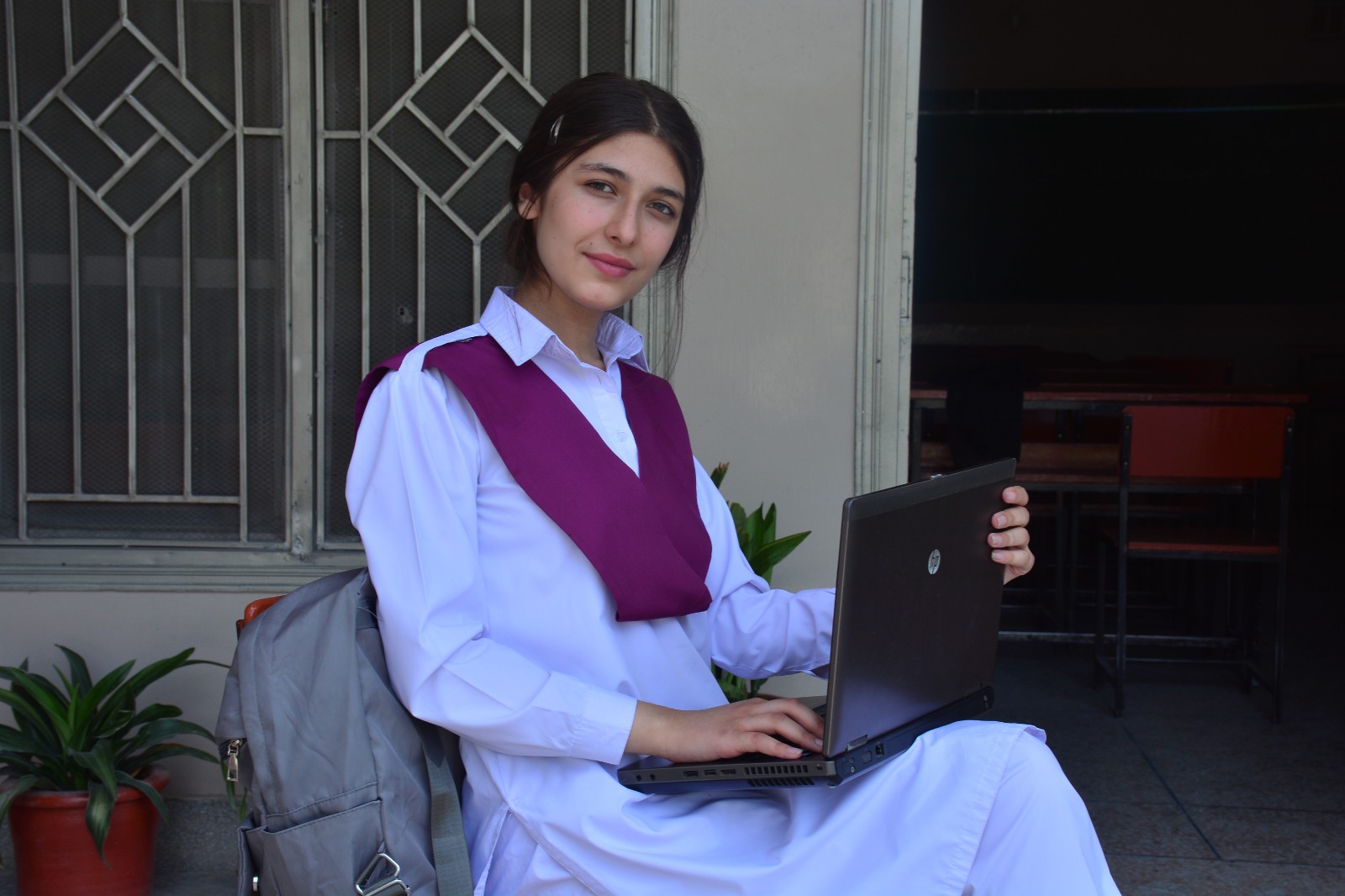
Excellent Teaching Standards
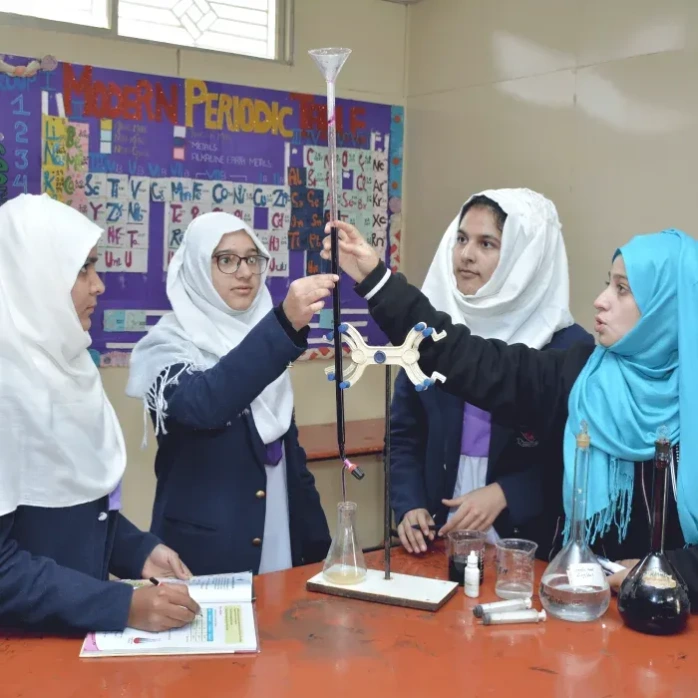
Latest Technology for Learning
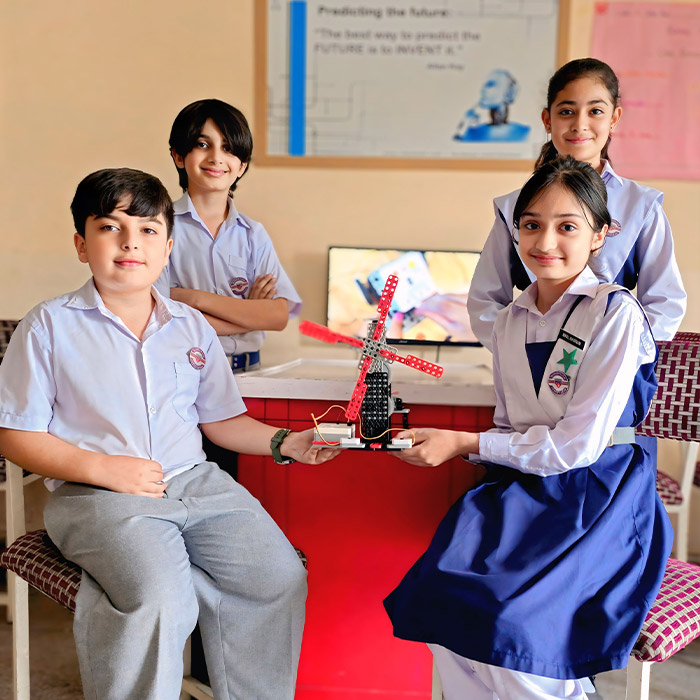
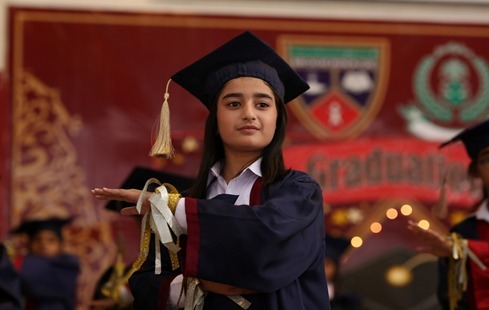
Get the Grades
Effective Career Counselling
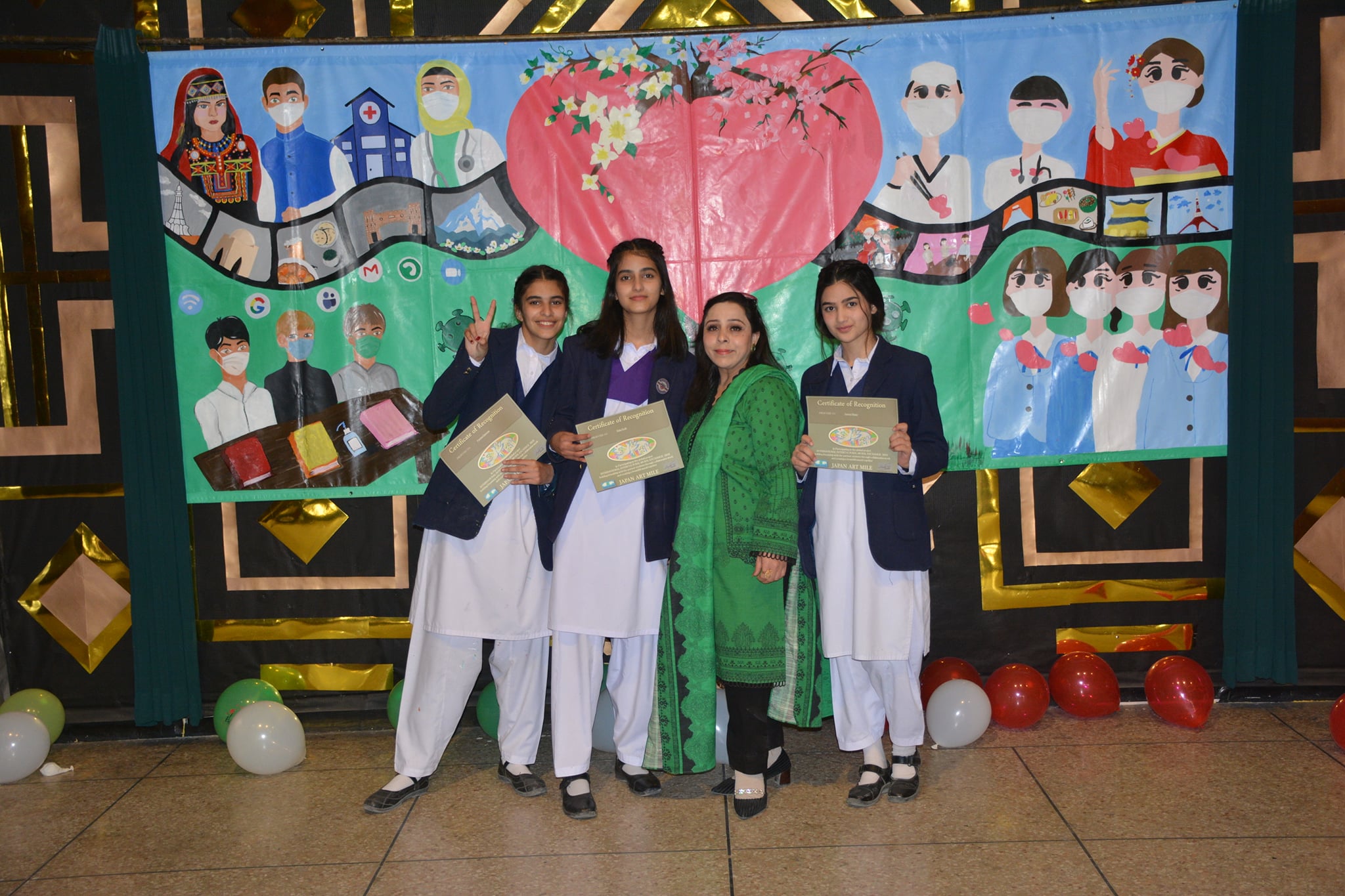
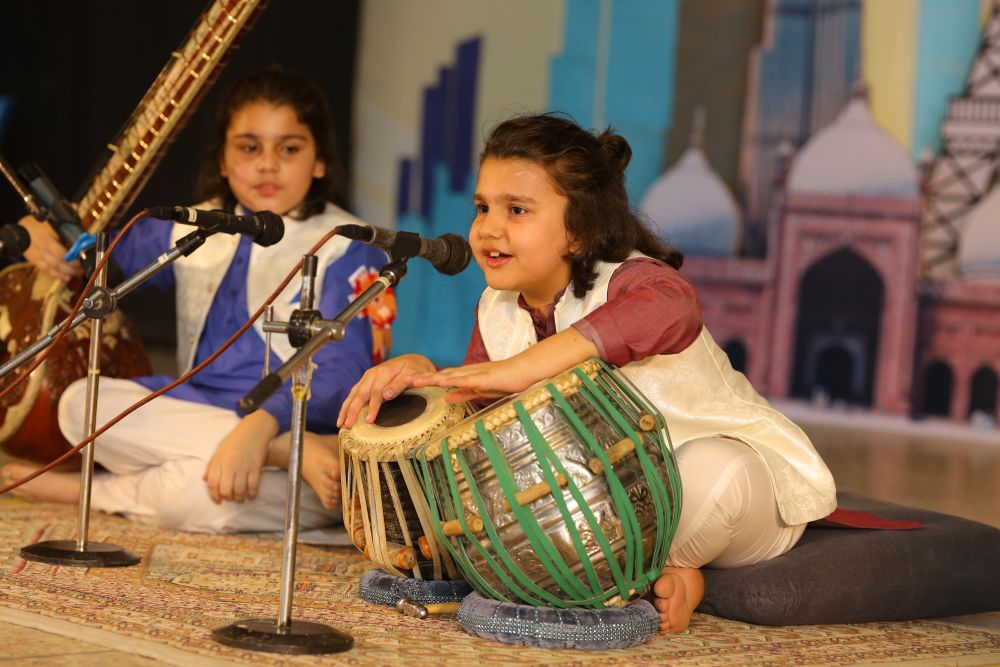
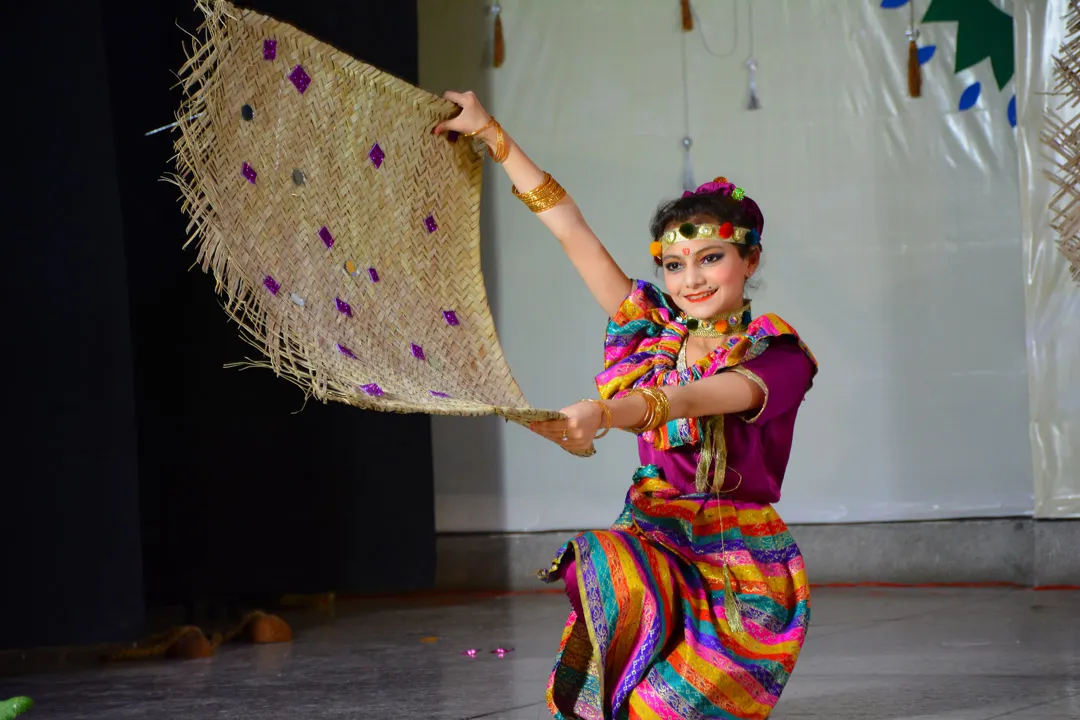
Vibrant Co-Curricular Activities Program
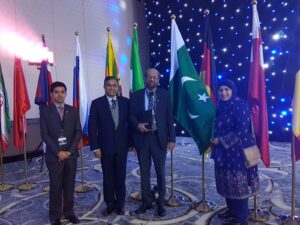
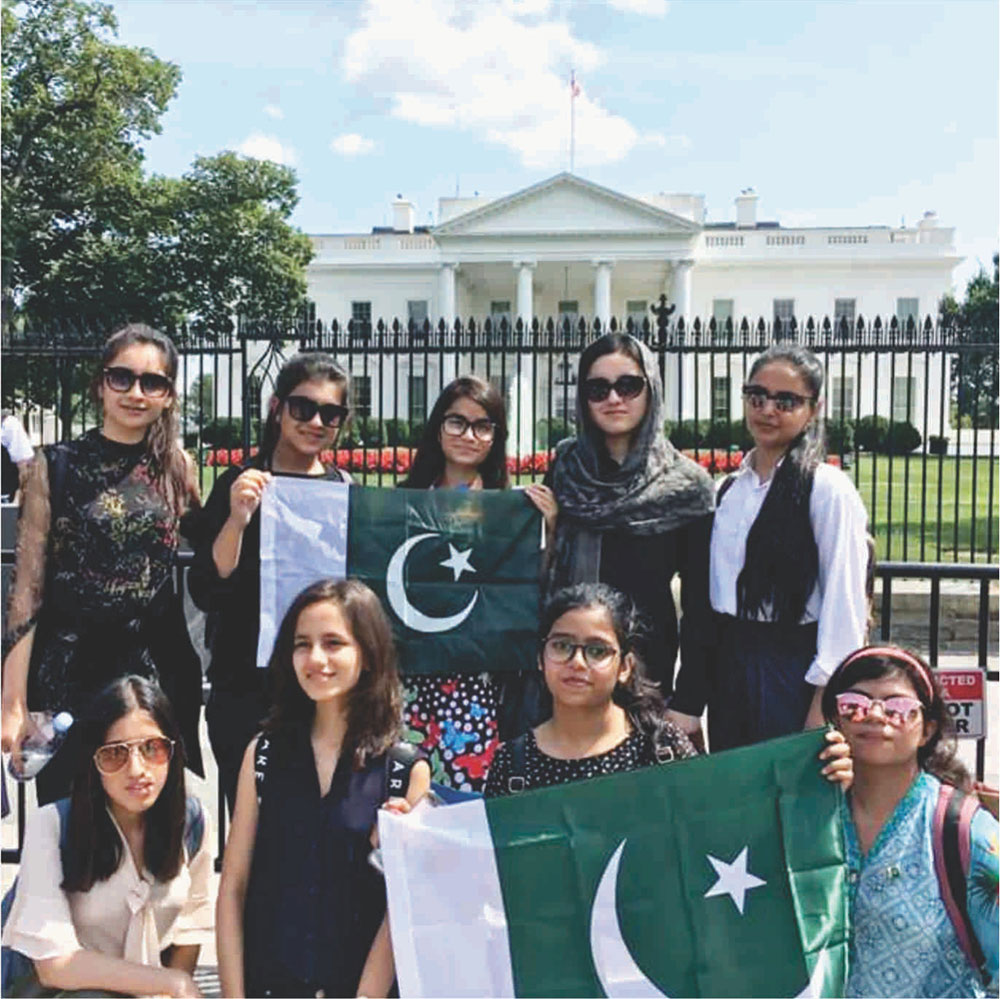
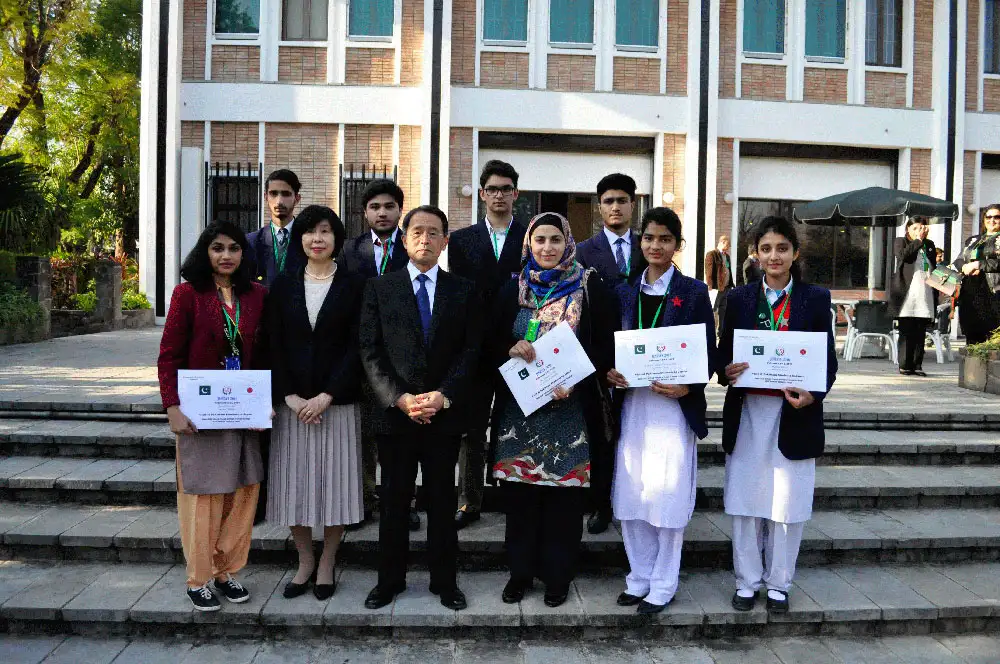
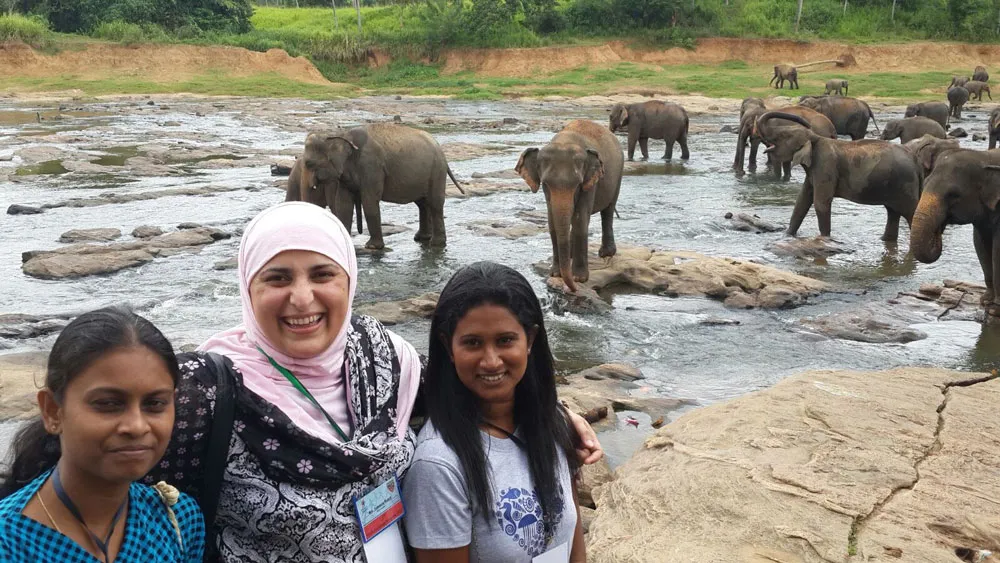
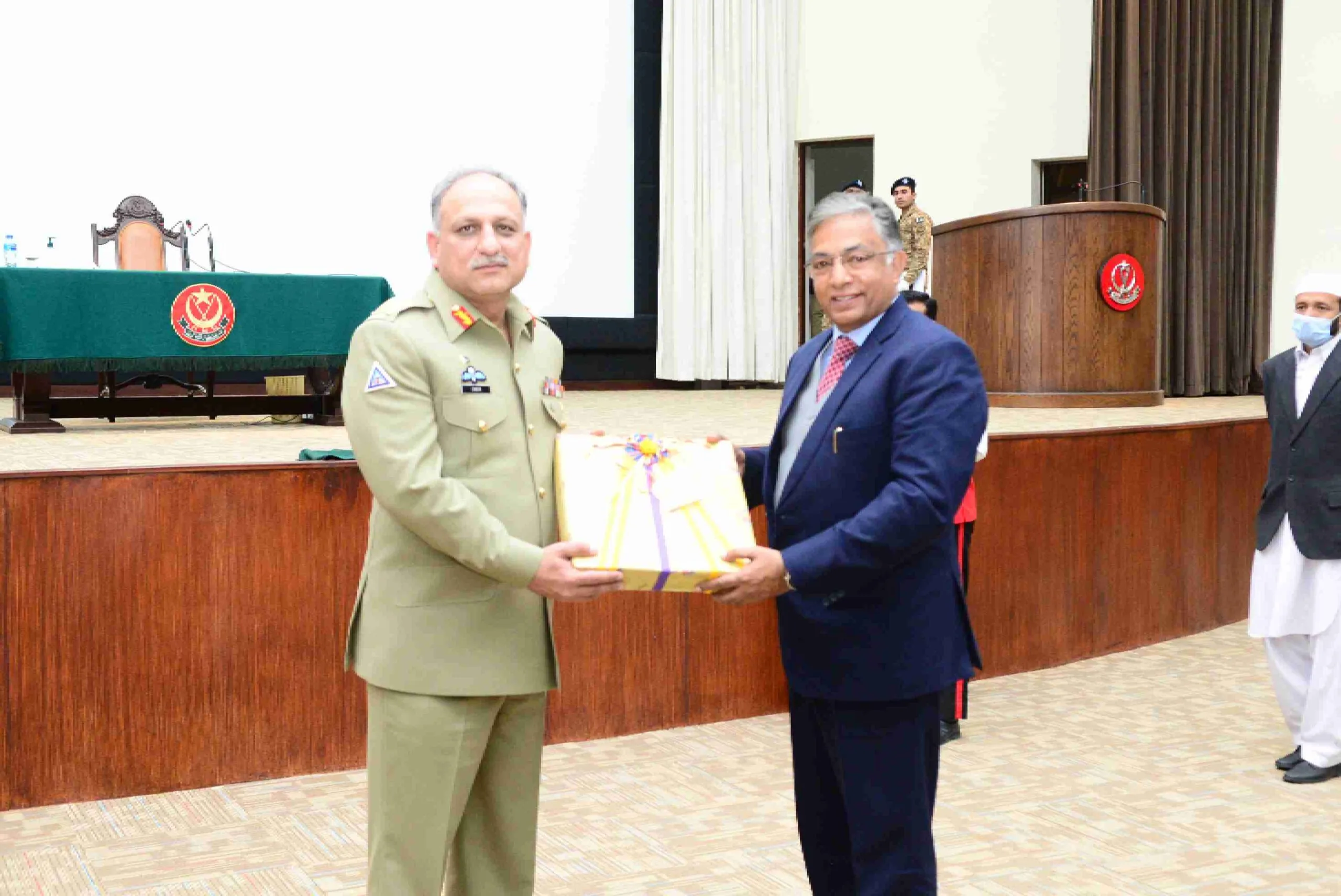
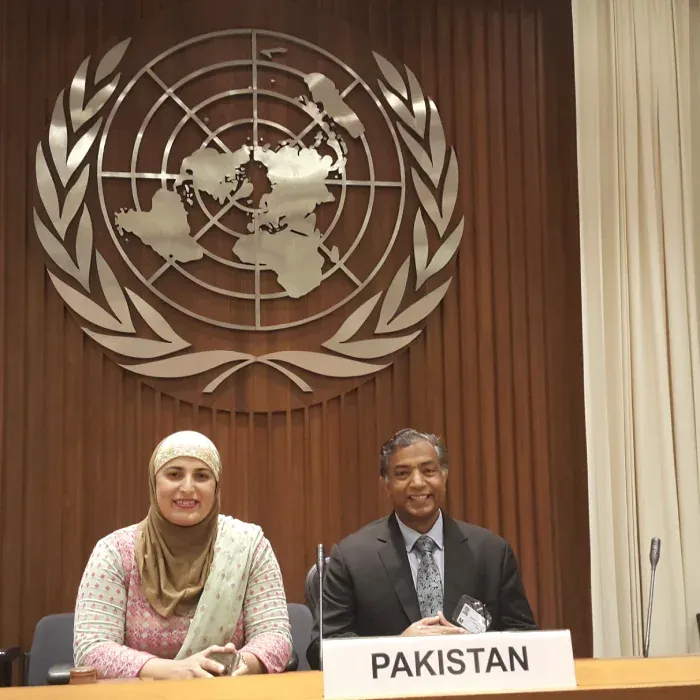
International Exposure
Lucrative Financial Assistance

Safe Learning Environment
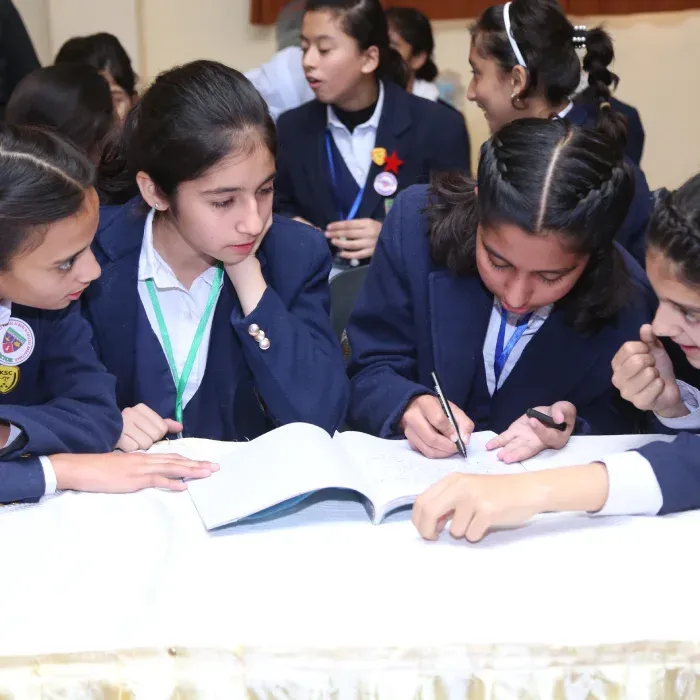
Feel protected in the hands of caring and friendly teachers who believe in nurturing self-esteem and accepting diversity among all students. Your intellectual, emotional, and physical growth is their priority.
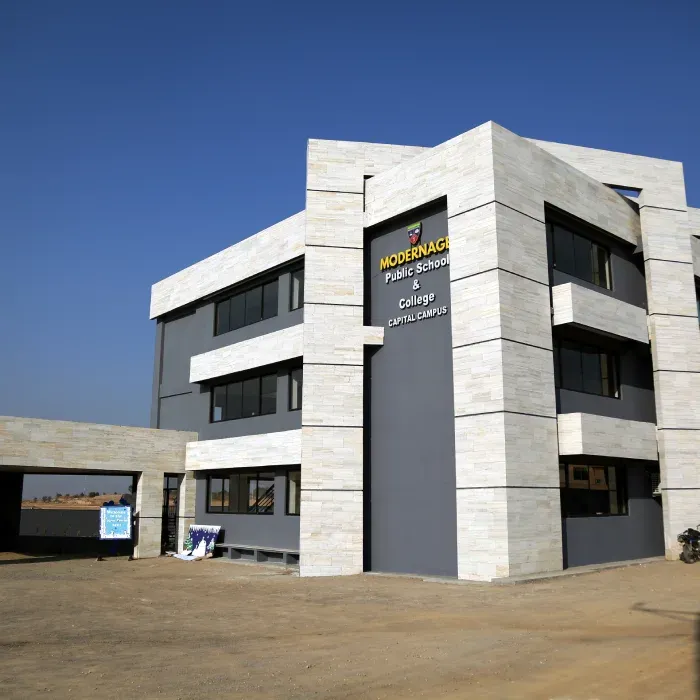
Central Locations
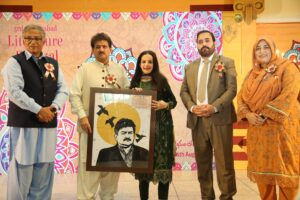
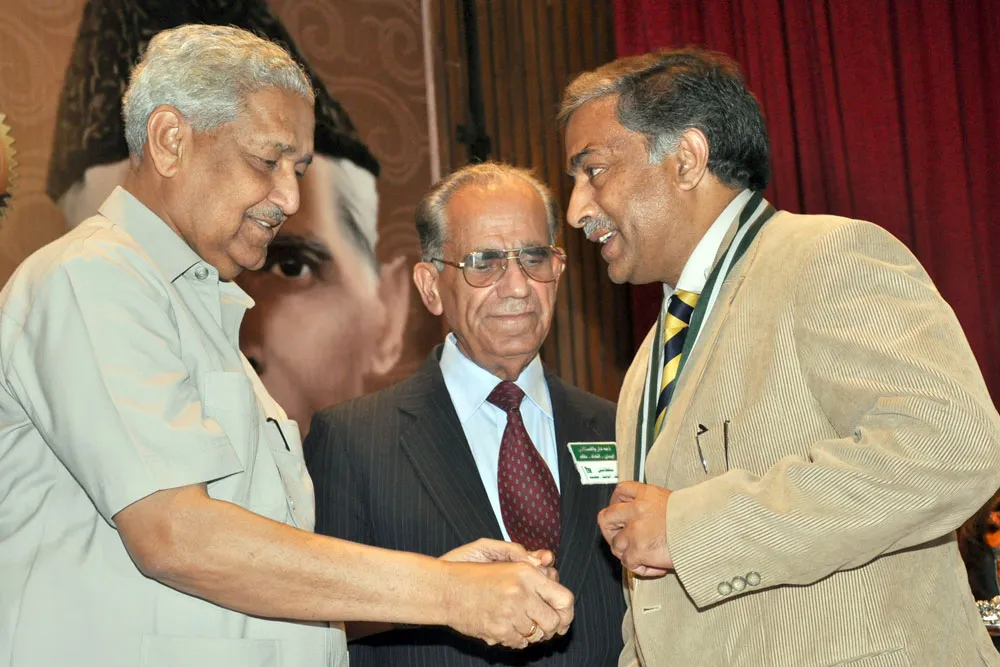
We have Stories that Inspire
Modernage has nurtured students who’ve gone on to achieve great things in life.
Shaping Bright Futures
Every child’s journey at Modernage is built on learning, growth, and values that last a lifetime.
Attention F.Sc Part-I Students! Appear from BISE-Abbottabad or FBISE-Islamabad
Highlights:
BISE-Abbottabad & FBISE-Islamabad
International Exposure
Siblings & Merit Scholarships
University Placements
Exclusive Benefits:

Expert Faculty

Effective Career Counselling

Comperhensive Testing & Revision

Additional Support at KIPS

Extensive Sports & Co-Curricular

Saturdays Off for Self-Study